![[Logo] Your source for EUC, Ebike accessories and litium fire safety.](https://images.leadconnectorhq.com/image/f_webp/q_80/r_1200/u_https://assets.cdn.filesafe.space/25fElMd921Ylg1W3ctDz/media/6726aa8238b82f2b2f399cab.png)
Complete Guide to Lithium Battery Fire Safety for E-Bikes, EUCs & PEVs
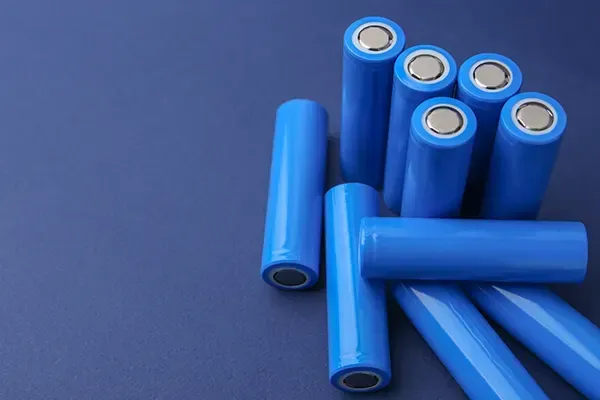
Lithium-ion batteries power electric unicycles, e-bikes, scooters, and other personal electric vehicles because they store large amounts of energy in a compact space. That same energy density means failures, while uncommon, can escalate fast — faster than most riders expect.
"The fire chief told me that when those batteries fail, it's almost like a small phosphorus grenade going off," says Jerry Bloodworth, who lost a three-car garage, two vehicles, and nearly $200,000 when a lithium battery failed while charging. "It shoots out fire. It sticks to stuff." Read his full account here.
Understanding how lithium battery fires occur — and how to reduce risk — is one of the most important things you can do as a PEV owner.
What Causes Lithium Battery Fires?
Overcharging or Poor Charging Regulation Charging systems that lack proper cutoff circuitry can push cells beyond safe voltage levels. Counterfeit chargers and chargers without reliable overcharge protection are a common cause of incidents.
Physical Damage Dropping, crushing, or puncturing a battery pack can create internal short circuits. Even if damage isn't visible externally, internal structural failure can occur days or weeks later.
Thermal Runaway Thermal runaway is a chain reaction where rising internal temperature causes further heat generation. Once it starts, it is extremely difficult to stop. It can be triggered by high discharge rates, fast charging, internal short circuits, or inadequate ventilation.
Aging and Cell Degradation Lithium batteries degrade over time. As internal resistance increases, heat generation rises — putting additional stress on the entire pack.
Water or Contamination Moisture or conductive debris can create short circuits inside or around battery packs. A battery that got wet and seemed fine can fail catastrophically weeks later. Inspect for water damage before every charge.
Manufacturing Defects In rare cases, cell assembly flaws surface years after purchase and contribute to internal failure. This is one of the reasons UL certification matters — it exists for a reason, and it costs manufacturers more to achieve it.
Charging Risks
Most lithium battery incidents happen during charging. The habits below significantly reduce your exposure to risk.
Use the right charger. Use manufacturer-approved chargers with overcharge protection, temperature monitoring, and short-circuit safeguards. Don't mix chargers between devices unless the manufacturer explicitly permits it.
Charge only when you're home and awake. Unattended charging is one of the most preventable risk factors. Many riders avoid overnight charging entirely. If your setup requires it, use monitoring tools — and make sure your smoke or heat detector sends alerts to your phone.
Mind the temperature. Don't charge below 32°F (0°C) or above 104°F (40°C). Charging generates heat, and poor ventilation compounds it.
Manage your state of charge. Constantly charging to 100% and leaving batteries at full charge increases long-term cell stress. Most riders adopt an 80–90% daily charging routine and only charge to 100% when needed.
Setting Up a Safer Garage or Charging Area
This is where preparation matters most. A detached structure can save your home — but how you set it up inside matters just as much.
Choose a dedicated charging surface. Charge on a hard, non-combustible surface: concrete, a metal tray, or a fireproof board. Keep at least 12–24 inches of clearance around battery packs. Never charge inside enclosed cabinets or near stored fuels.
Remove flammable materials. Clear the charging zone of cardboard, paper, fabric, gasoline, paints, upholstery, and foam. These aren't just fire hazards — they're accelerants.
Have the right fire suppression equipment within reach. A standard kitchen or ABC extinguisher is not sufficient for a lithium battery fire. You need a lithium-rated fire extinguisher specifically designed for the chemistry of what's burning. Keep it accessible — not in a cabinet, not across the garage.
Add detection that alerts you. Smoke alarms are a baseline. A heat detector or smart monitor that sends alerts to your phone gives you awareness in real time — whether you're asleep, inside, or away.
These habits are built into the eRideLife Lithium Battery Fire Safety Checklist — one page, formatted to print and post in your charging area. Download the free checklist →
Storage and Transport
Storing batteries:
Store in cool, dry locations away from direct sunlight
Maintain 40–60% state of charge for long-term storage
Never store a damaged or swollen pack — isolate it in a metal container and dispose of it properly
Traveling with batteries: Airlines and transit authorities regulate lithium battery watt-hour limits. Verify current regulations before travel — limits vary by carrier and change periodically.
If a Fire Starts
Your sequence matters. Know it before you need it.
Evacuate people and pets first. Nothing else comes first.
Call 911. Do not delay emergency services.
Use your extinguisher only if the fire is small, you have a clear exit behind you, and you are trained and confident in your equipment.
Do not rely on your extinguisher to stop thermal runaway. Once a cell enters runaway, suppression buys time — it does not stop the reaction.
If multiple batteries are involved, evacuate. Do not attempt suppression. Let emergency services handle it.
Lithium fires can reignite hours after appearing to be extinguished. Do not assume the scene is safe.
The Most Important Thing
Most riders who experience a lithium battery fire say the same thing afterward: they didn't think it could happen to them.
Jerry Bloodworth used the original charger. He charged in a detached garage. He hadn't modified anything. He still lost nearly $200,000 in a single night.
"I just hope nobody has to sit where I'm sitting," he says. "These things are incredible. They're a joy. But you have to understand what you're dealing with."
Preparation, the right equipment, and the habits outlined in this guide are what separate a close call from a catastrophic loss. The time to put them in place is before you need them.
Read Jerry Bloodworth's full story →
Download the free Lithium Battery Fire Safety Checklist →
See lithium-rated fire extinguishers for PEV riders →