![[Logo] Your source for EUC, Ebike accessories and litium fire safety.](https://images.leadconnectorhq.com/image/f_webp/q_80/r_1200/u_https://assets.cdn.filesafe.space/25fElMd921Ylg1W3ctDz/media/6726aa8238b82f2b2f399cab.png)
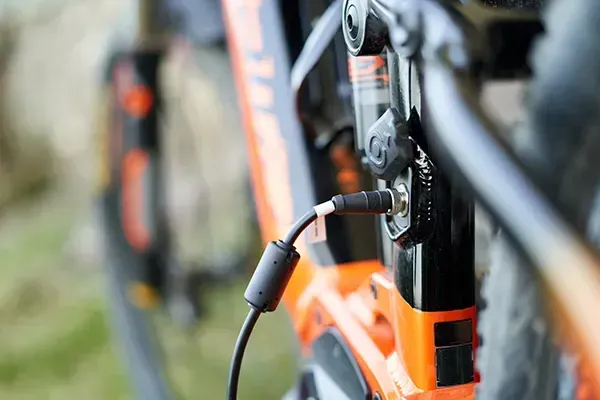
Before You Plug In: The Complete Lithium Battery Fire Safety Checklist for EUC, E-Bike & E-Moto Riders
Most lithium battery fires are preventable. Most riders who experience them say they wished they'd had a checklist like this one before it happened.
Jerry Bloodworth used the original charger. He charged in a detached garage. He hadn't modified anything. He still lost a three-car garage, two vehicles, and nearly $200,000 in a single night. Read his full story here.
The checklist below covers everything — charging location, equipment, monitoring, suppression, and emergency response. Print it. Post it in your garage. Share it with every rider you know.
📄 Download the Printable PDF Checklist
Lithium Battery Fire Safety Checklist
1. Location & Surface
Charge on a non-combustible surface: concrete, metal tray, or fireproof board
Keep 12–24 inches of clearance around battery and charger
No flammable materials nearby: cardboard, paper, fabric, paints, gasoline
Think carefully about what surrounds your charging area. A detached structure can save your home. Concrete walls are better than wood. — Jerry Bloodworth
2. Charger & Electrical Safety
Use manufacturer-approved chargers only
Buy UL certified devices when possible. It costs manufacturers more. It costs you more. It exists for a reason. — Jerry Bloodworth
Check charger and cables for damage or fraying before each use
Avoid daisy-chaining power strips
Use a dedicated outlet with surge protection and GFCI
Ensure charger is compatible with your battery's voltage and capacity
3. Ventilation & Temperature
Ensure good airflow around the charging area
Charge in moderate temperatures (50–85°F / 10–30°C)
Avoid charging in direct sunlight or enclosed closets
Keep the area cool to reduce thermal stress on cells
4. Battery Handling & Inspection
Inspect battery before each charge: look for cracks, dents, or swelling
Do not charge damaged or swollen packs — ever
Inspect for water damage. Water ingress is one of the leading causes of delayed lithium battery failure — a wheel that got wet and seemed fine can fail catastrophically weeks later. — Jerry Bloodworth
Avoid fast charging unless your battery is specifically rated for it
Charge to 80–90% for daily use; only charge to 100% when needed
Store batteries at 40–60% state of charge when not in use for extended periods
5. Monitoring & Early Warning
Charge only when you're home and awake. Never leave a lithium device charging overnight or unattended for extended periods. — Jerry Bloodworth
Stay nearby during the first 15–30 minutes of every charge
Get a smoke or heat detector that alerts your phone so you know immediately if something changes. — Jerry Bloodworth
For unattended setups, use a camera, thermal sensor, or smart plug monitor
Stop charging immediately if you notice any of the following:
Excessive heat
Swelling or deformation
Strange chemical odor
Hissing or popping sounds
Smoke or unusual fumes
6. Fire Suppression & Safety Equipment
This is the section that matters most when prevention fails.
Have a proper extinguisher rated for lithium battery fires within reach of your charging area. A small kitchen extinguisher won't cut it. You need the right tool for the specific chemistry of what's burning. — Jerry Bloodworth
Keep a Lithium Battery Fire Extinguisher accessible in your charging area — standard ABC extinguishers are not sufficient for lithium battery fires
Keep a fire blanket nearby for small sparks or surface flames
Have a bucket of water or garden hose accessible for cooling large lithium-ion packs after a fire is suppressed
Mount a smoke detector directly in your charging area
Maintain a clear, unobstructed evacuation path at all times
Not sure which extinguisher is right for your setup? See our lithium fire safety solutions here.
7. Multi-Unit & Fleet Charging
For riders who charge more than one device at a time.
Space units at least 12–24 inches apart
Assign one extinguisher per every 2–3 devices
Use fire-resistant mats or metal trays under each device
Monitor larger battery packs more frequently than smaller ones
8. Emergency Response
If a fire starts, your sequence matters.
Evacuate first — get people and pets out
Call 911 — do not delay emergency services
Use your extinguisher only if the fire is small, you have a clear exit behind you, and you are confident in your equipment
Do not rely on any extinguisher to stop internal thermal runaway — once a cell enters runaway, suppression buys time, not resolution
If multiple batteries are involved, do not attempt suppression — evacuate and let emergency services handle it
Isolate any damaged batteries in a metal or fire-resistant container once the scene is safe
The Four Principles Behind This Checklist
1. Prevention first. Avoid overheating, overcharging, and physical damage. Most fires start before the plug even goes in.
2. Monitor early warning signs. Heat, swelling, odor, noise, and smoke are your battery telling you something is wrong. Listen.
3. Contain and protect. Fireproof surfaces, proper spacing, and the right extinguisher limit how far a fire spreads if prevention fails.
4. Prepare for emergencies. A clear exit, the right equipment, and a practiced plan are the difference between a contained incident and a total loss.
Want to understand what a lithium battery fire actually looks like when it happens? Read Jerry Bloodworth's firsthand account of the night he lost a three-car garage, two vehicles, and nearly his home — even though he did everything right.
Looking for lithium fire safety equipment for your garage or fleet? See our full lineup here.